
Please Note: Clicking on an image will take you to a higher resolution version of the image you clicked on.
2024-09-23: I recently had a failure of a HDD on my server. Thankfully, this was a RAID 1 config, so no data was lost. Of course, I needed to tear the HDD apart as it was making quite the weird noises. Below is my best attempt at taking images of the result. Enjoy!
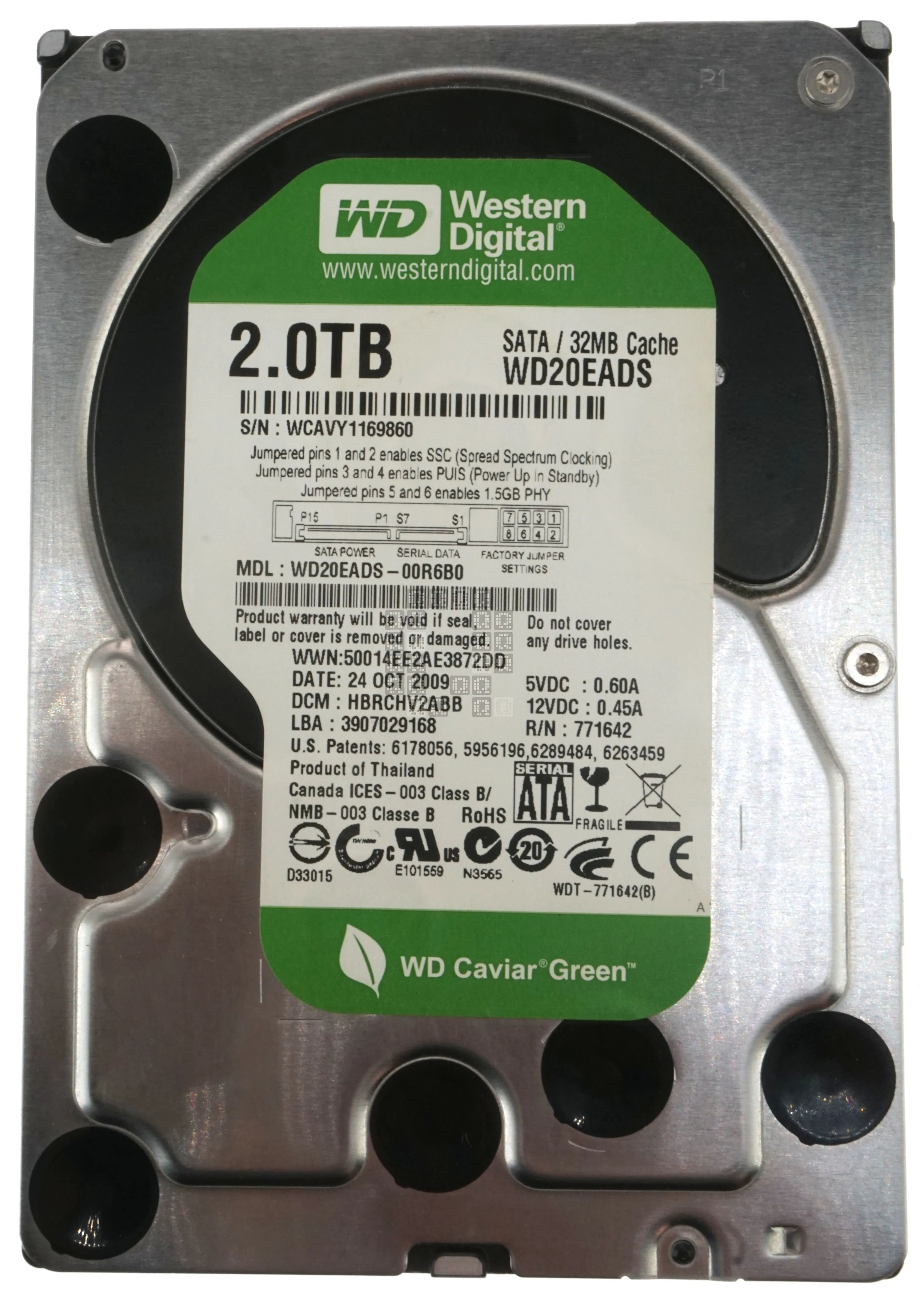
Western Digital Caviar Green WD20EADS 2TB SATA HDD, 5400RPM manufactured on October 24, 2009. Serial # WCAVY1169860. This drive is 15 years old and has definitely lived longer than its expected lifetime. WD Caviar Green HDD Spec Sheet (PDF, 2 Pages, 422KB)
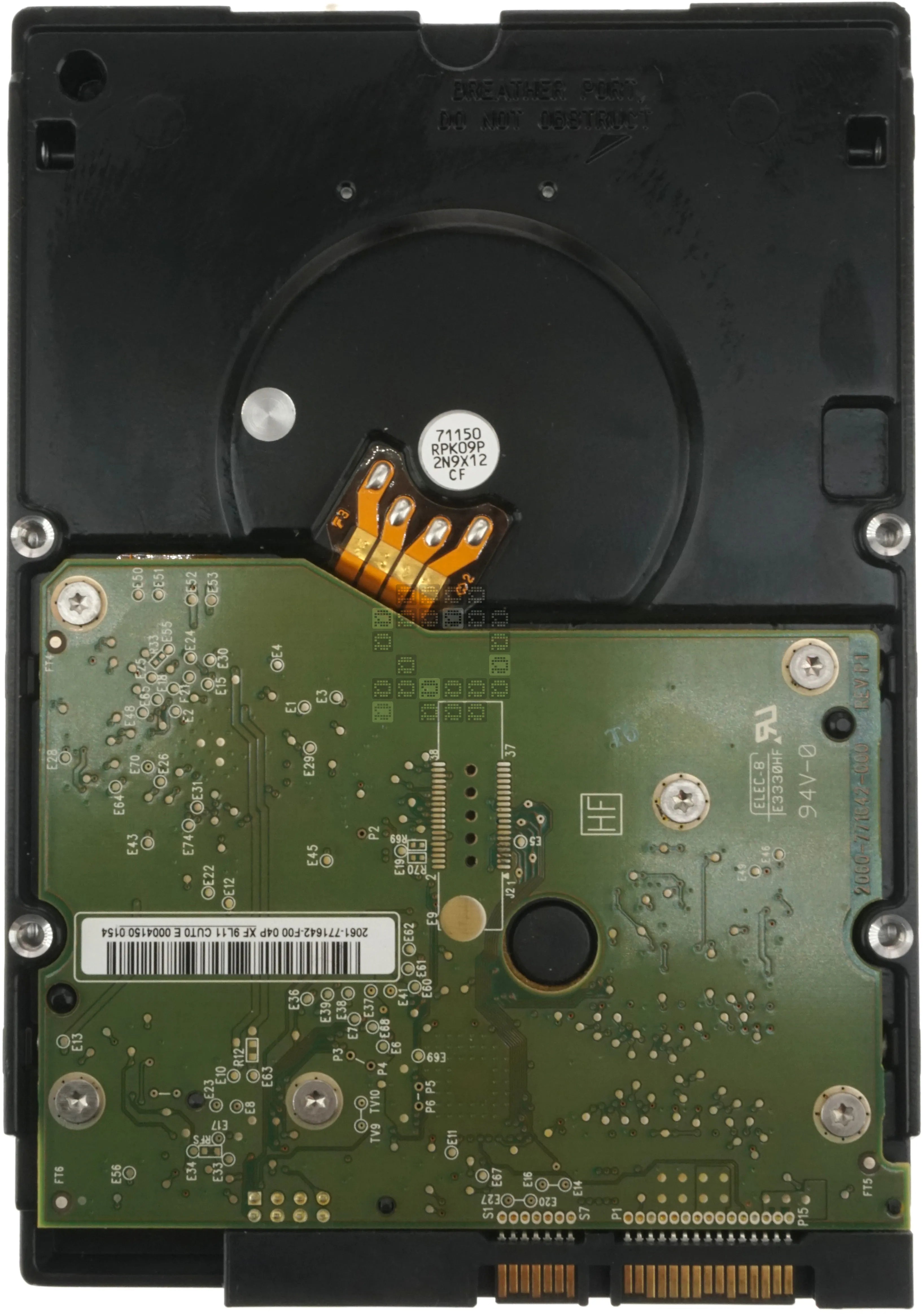
Circuit board side of the Hard Drive. SATA and Power connectors at the bottom. Label says '2061-771642-F00 04P XF 9L11 CUT0 E 0004150 0154'. Circuit board copper says '2060-771642-000 Rev P1'
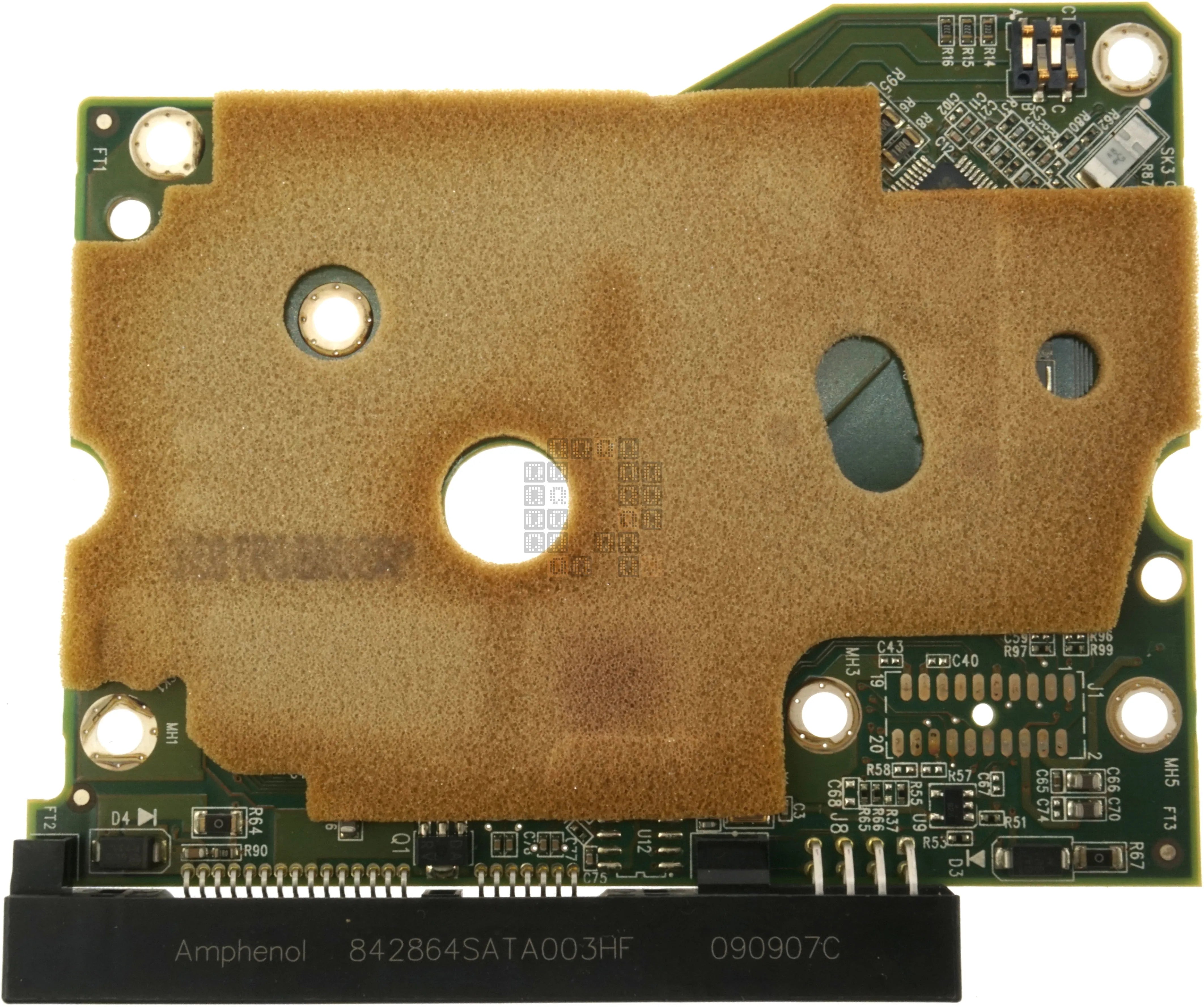
Circuit board removed from the hard drive. Foam has been darkened by heat over the Marvell IC (see image below). Amphenol wants you to know that their part number is 842-864-SATA-003HF, though I can't seem to find a datasheet for it.

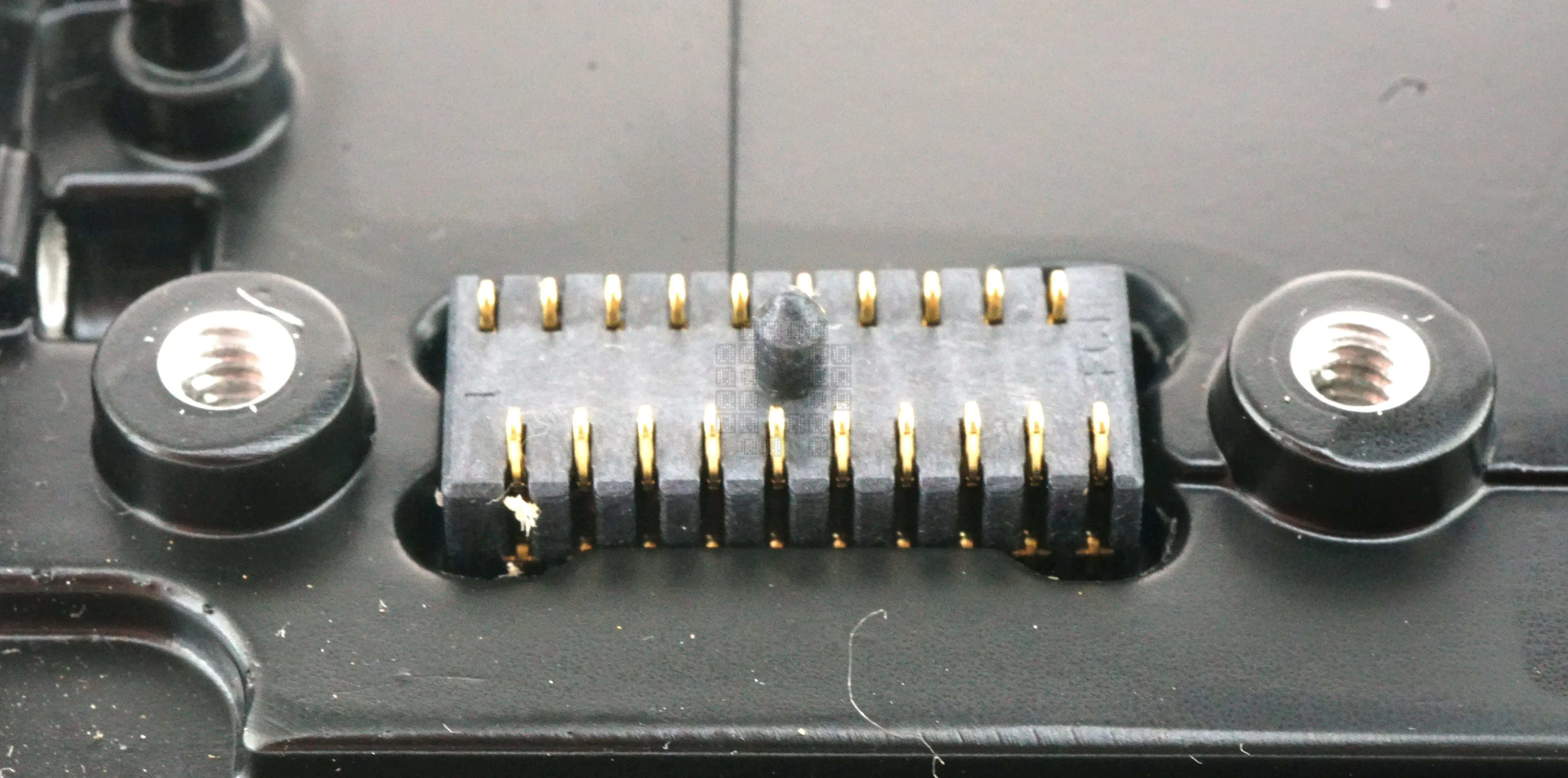
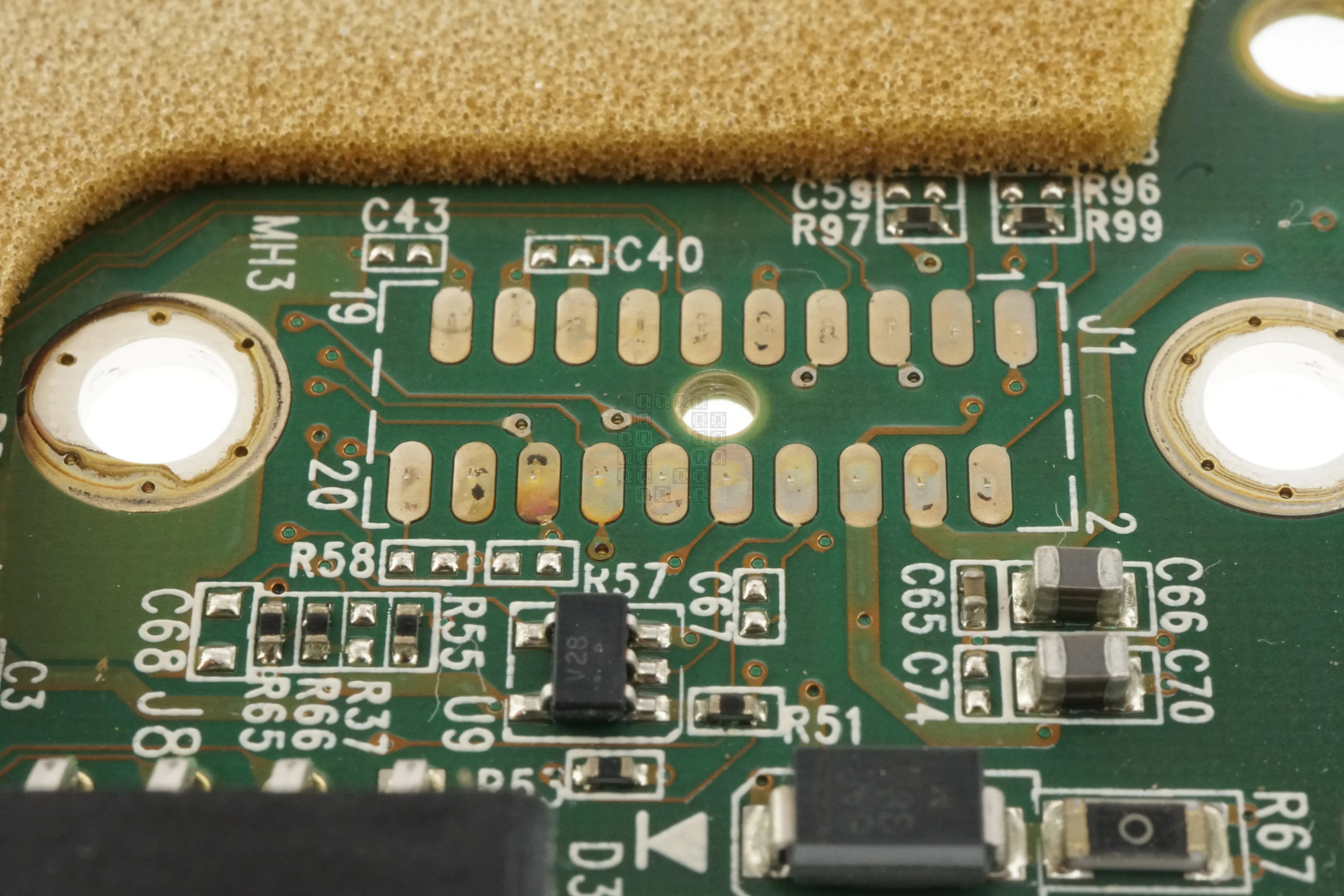
20-Pin Head Terminal Assembly. My first thought after removing the circuit board was that I might just have a corrosion problem on head connector pads on the circuit board... Alas it was not that simple.
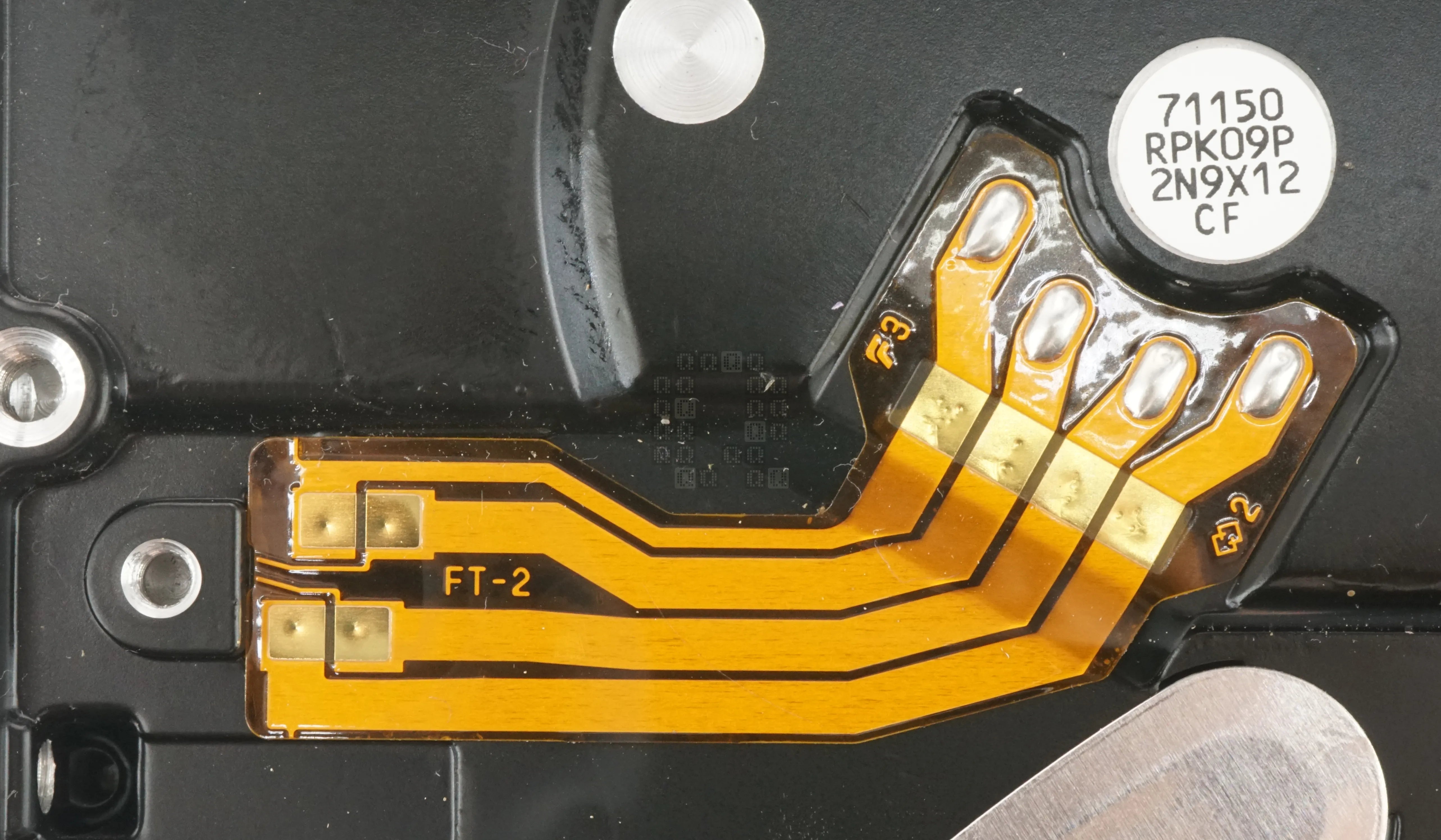
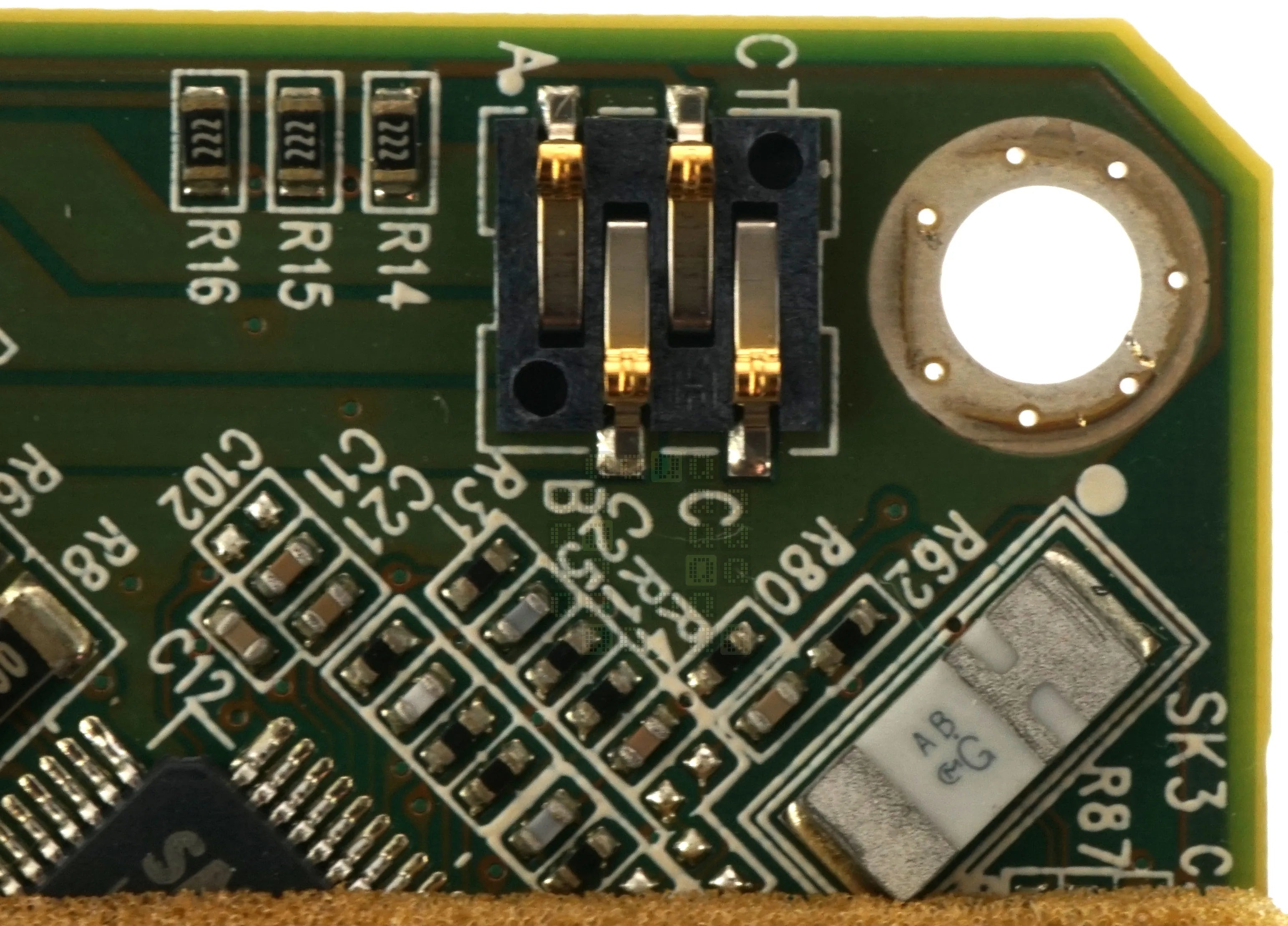
4-Pin Motor Terminal Assembly. The white rectangle on the right is one of the fuses. Sticker over spindle says '71150 RPK09P 2N9X12 CF' (I can't find any info on this either)
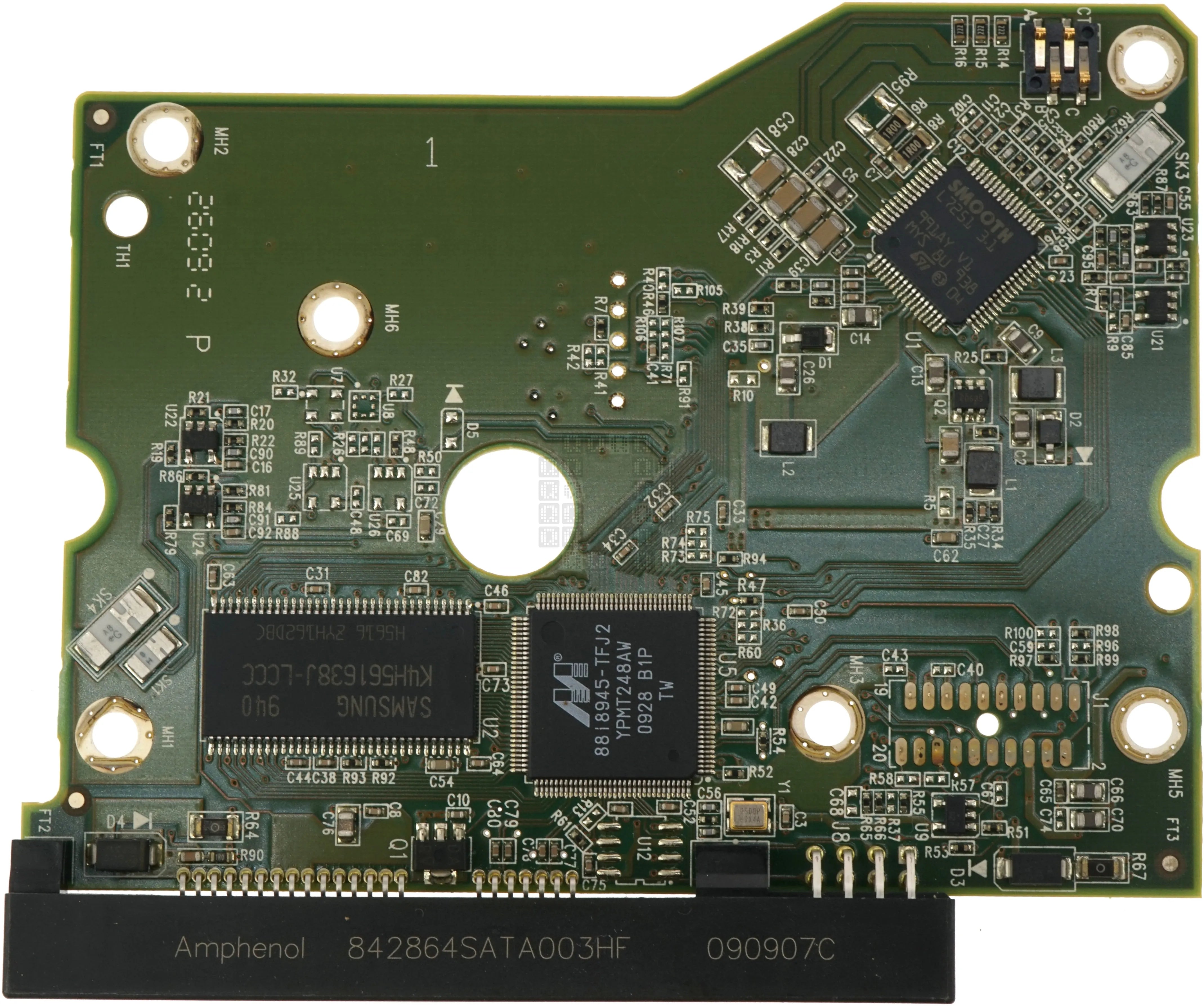
Top of circuit board without foam. I-spy: I see 3 fuses labeled SK1, SK3 & SK4, but my eyes cannot locate SK2.
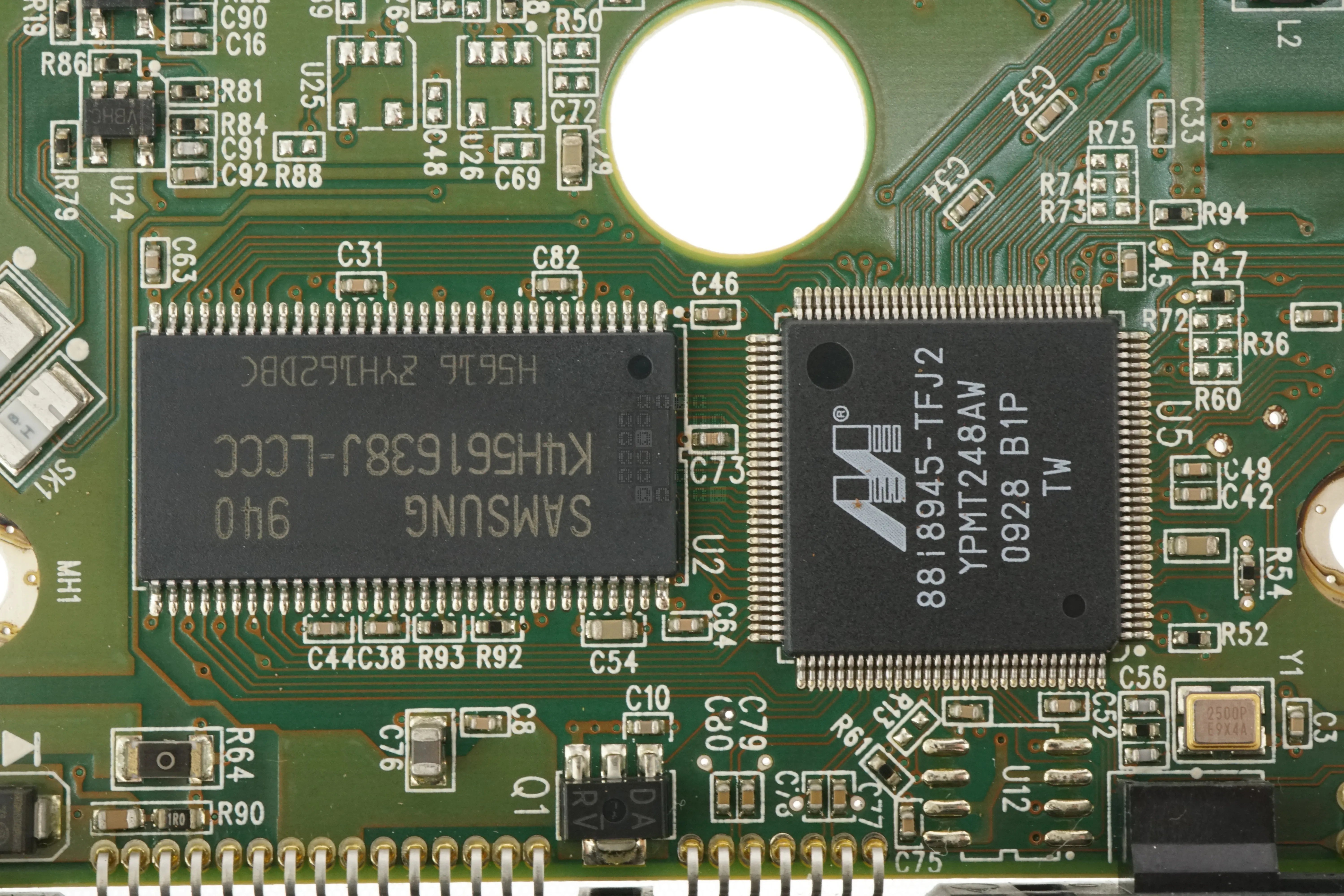
Closeup view of the Controller, a Marvell 88i8945-TFJ2. Tech Insights seems to have an Analysis Report for the Marvell 88i8945 IC available here (which I am unable to access). The cache chip is a Samsung K4H561638J-LCCC 256Mb DDR SDRAM IC. DATASHEET HERE (PDF, 24 Pages, 358KB) I don't see a separate EPROM (maybe U12?) so I have to assume firmware is stored in the Marvell IC? I don't see any programming headers either... (There are many unidentified test points on the back of the circuit board.)
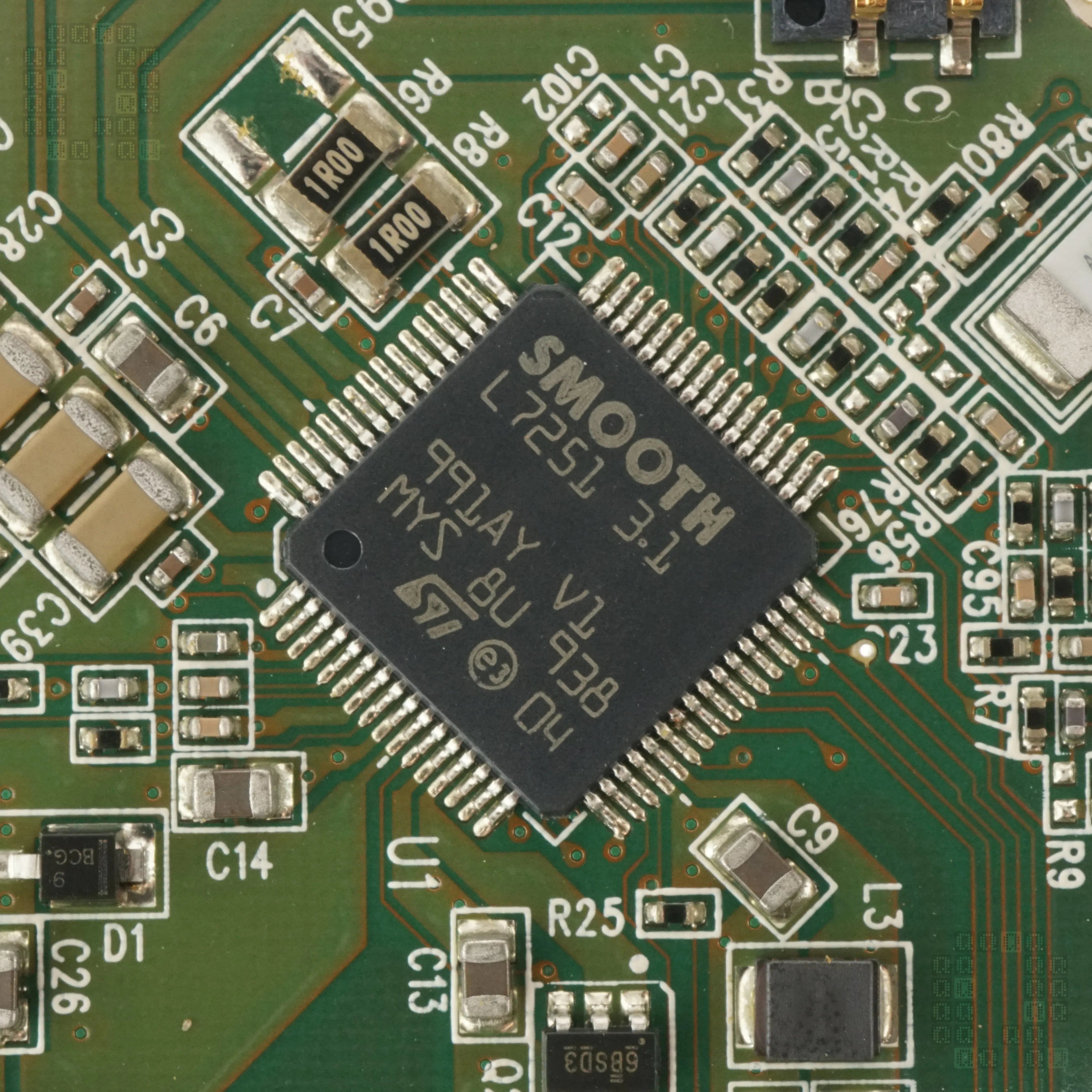
and here is a closeup of the ST Microelectronics SMOOTH L7251 Spindle Motor and Voice Coil Motor Controller IC DATASHEET FOR L7250 HERE (PDF, 46 Pages, 483KB)
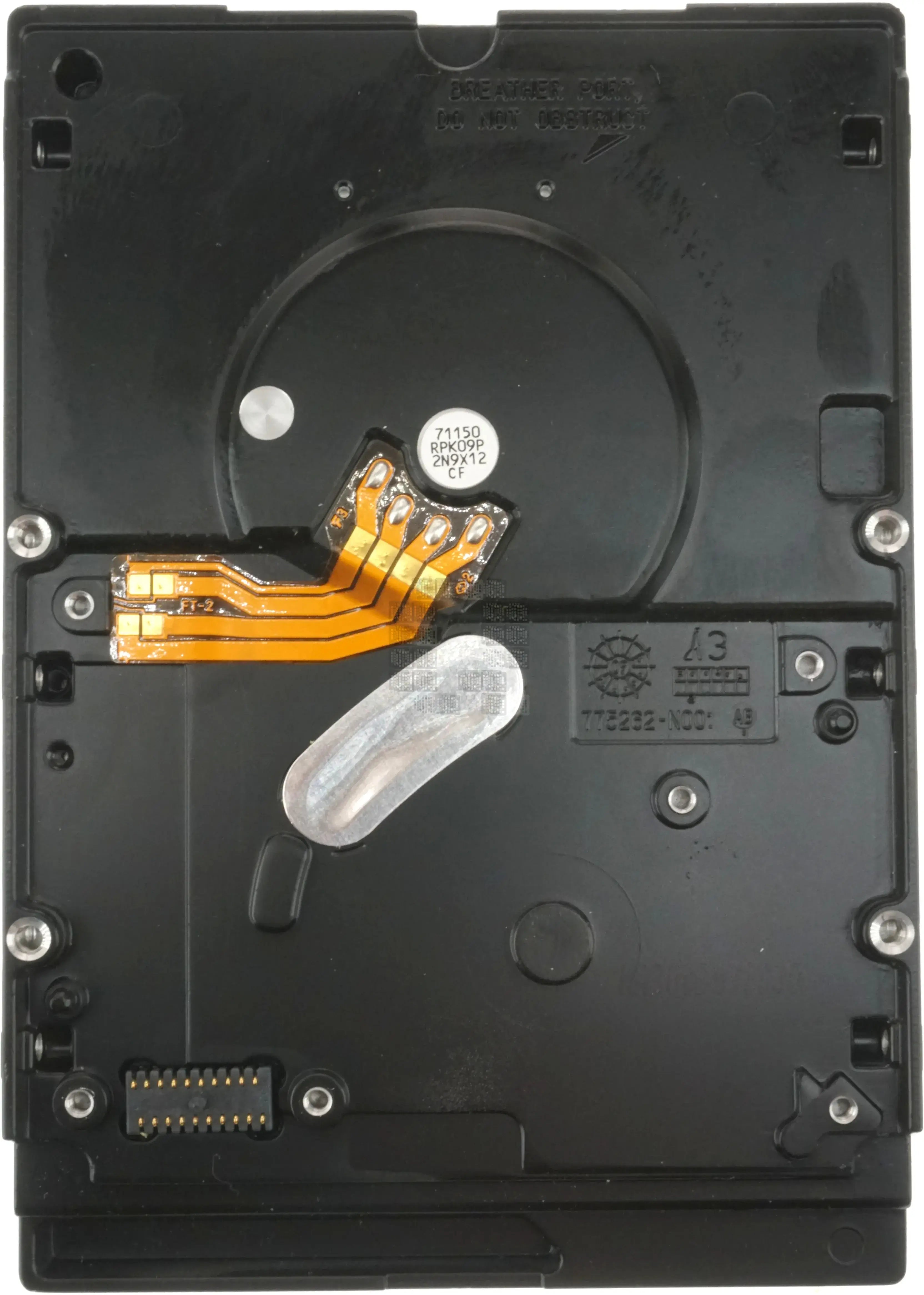
Hard Drive frame with the circuit board removed. Head Connector is visible in bottom left.
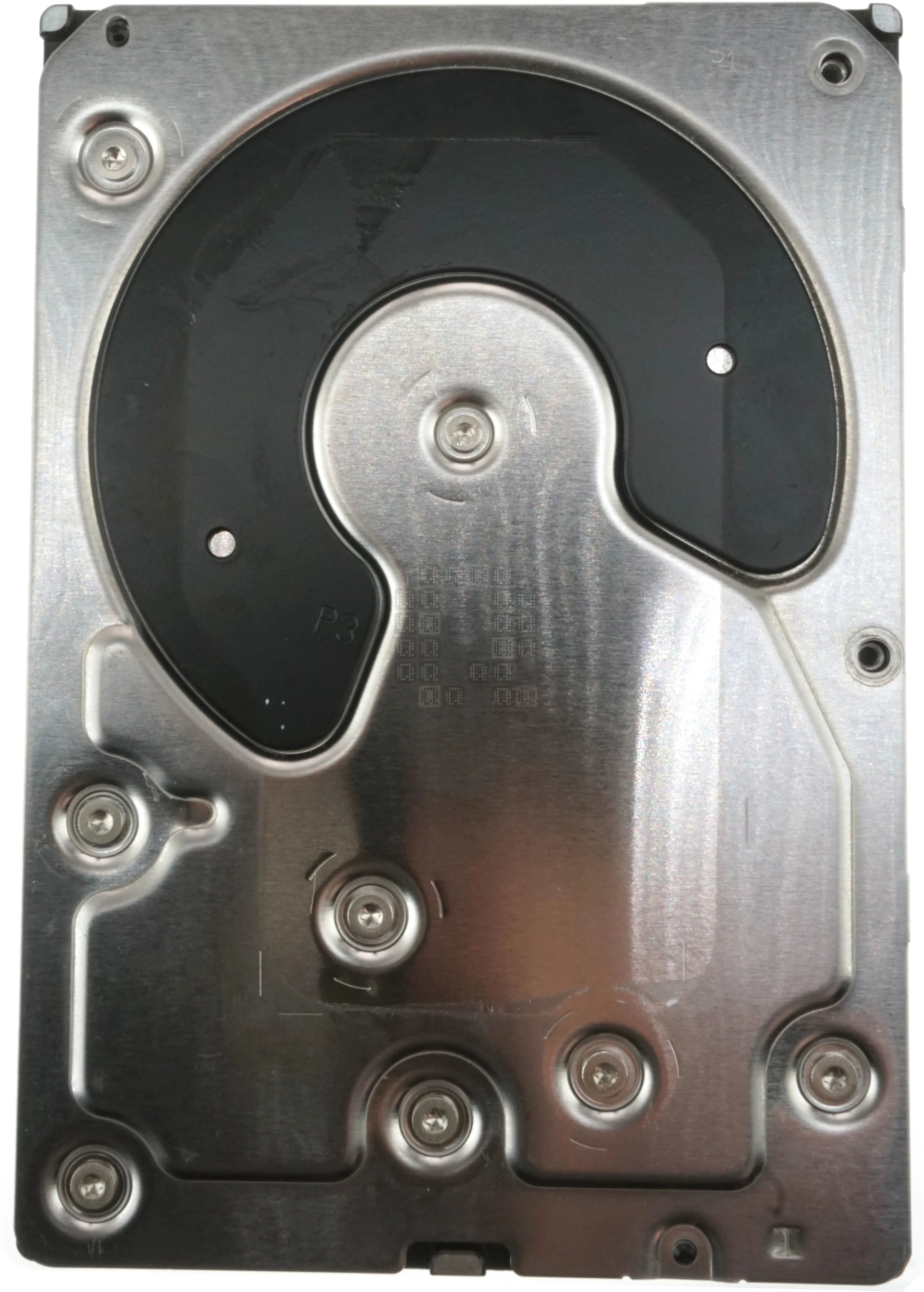
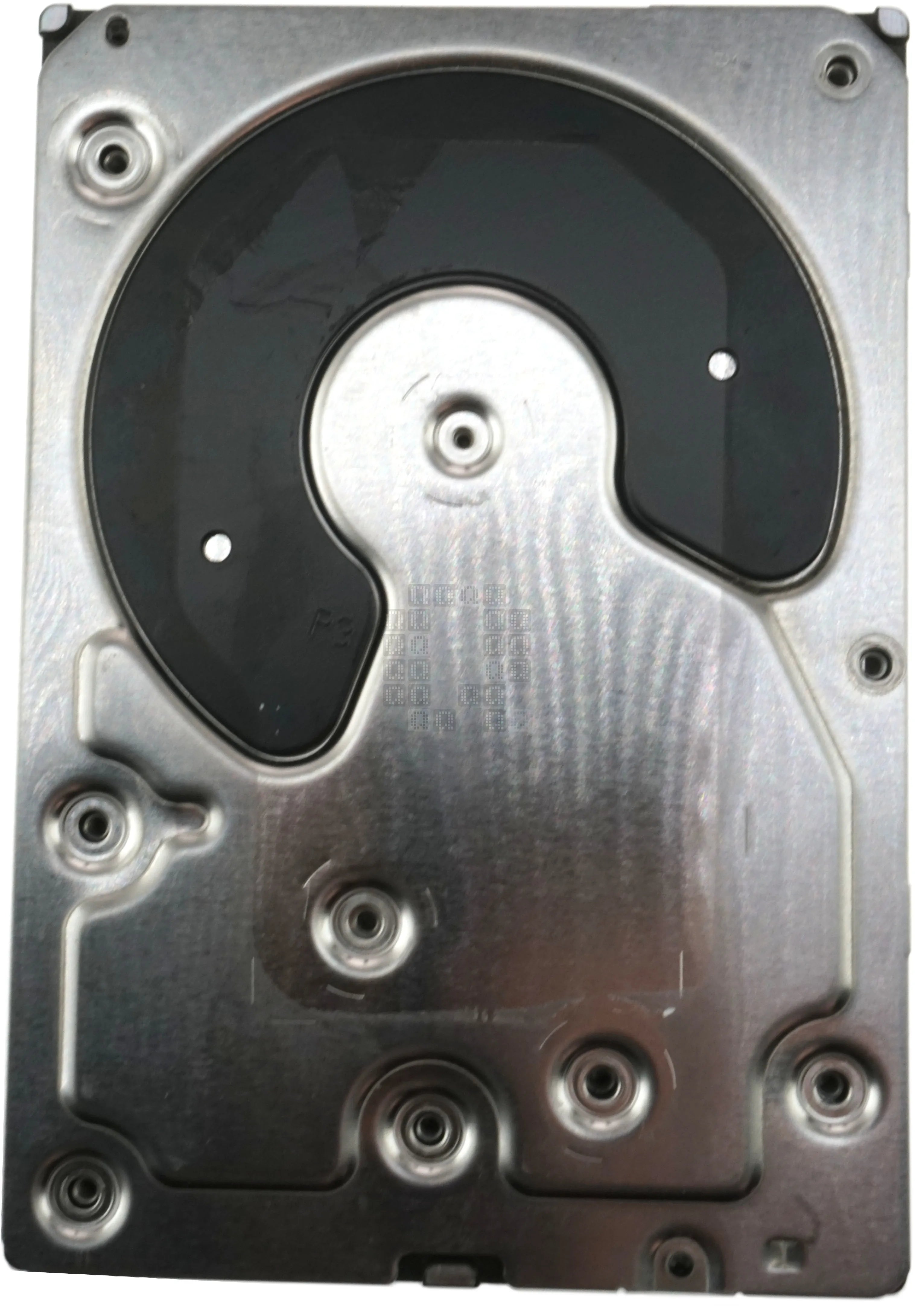
Hard Drive Cover without label (left) and without label and screws (right).
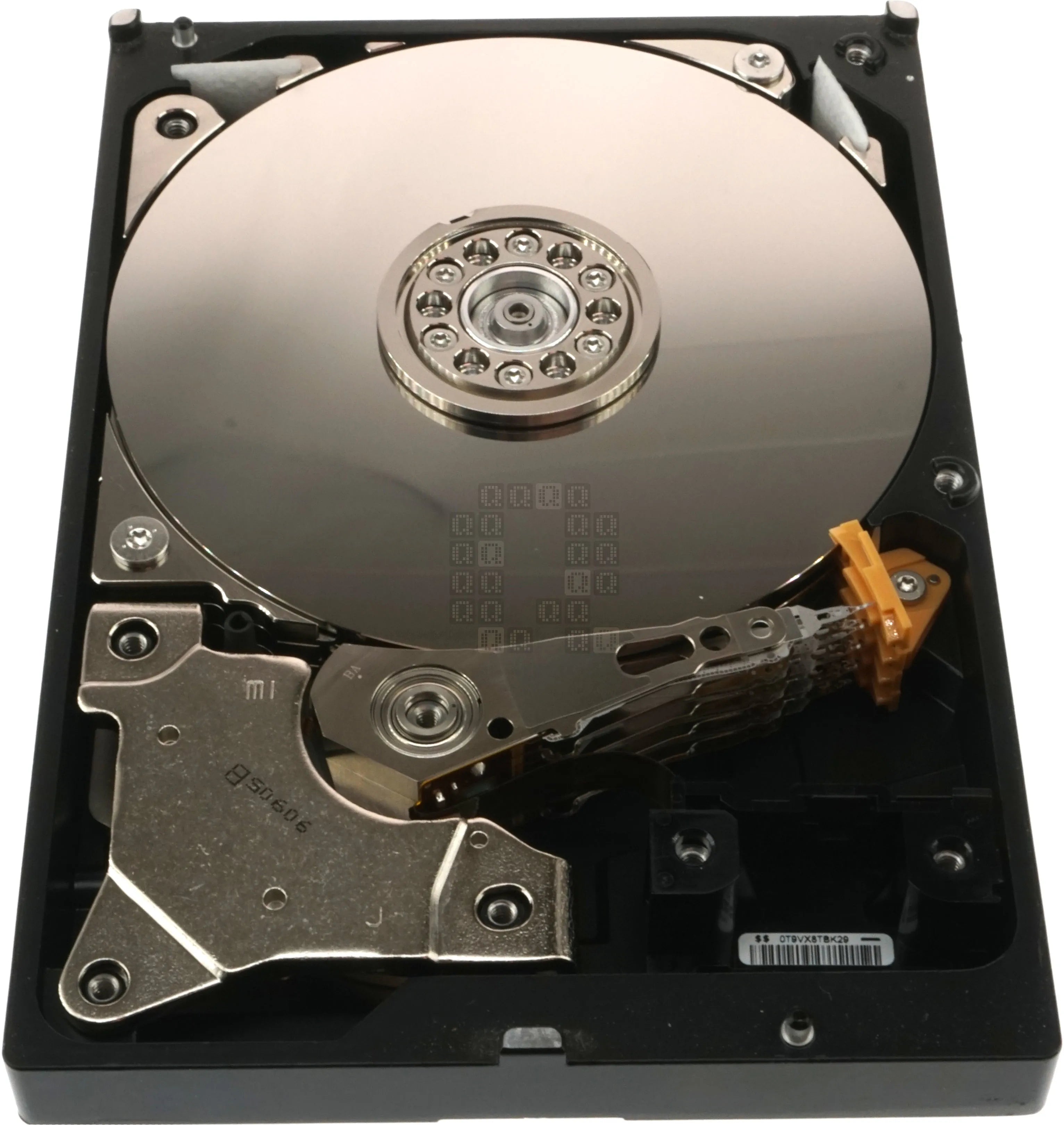
Inside the hard drive. There is nothing on the filters that I can see. No wear on the platters either. A quick powerup with the drive open quickly revealed the problem though (more on that later).
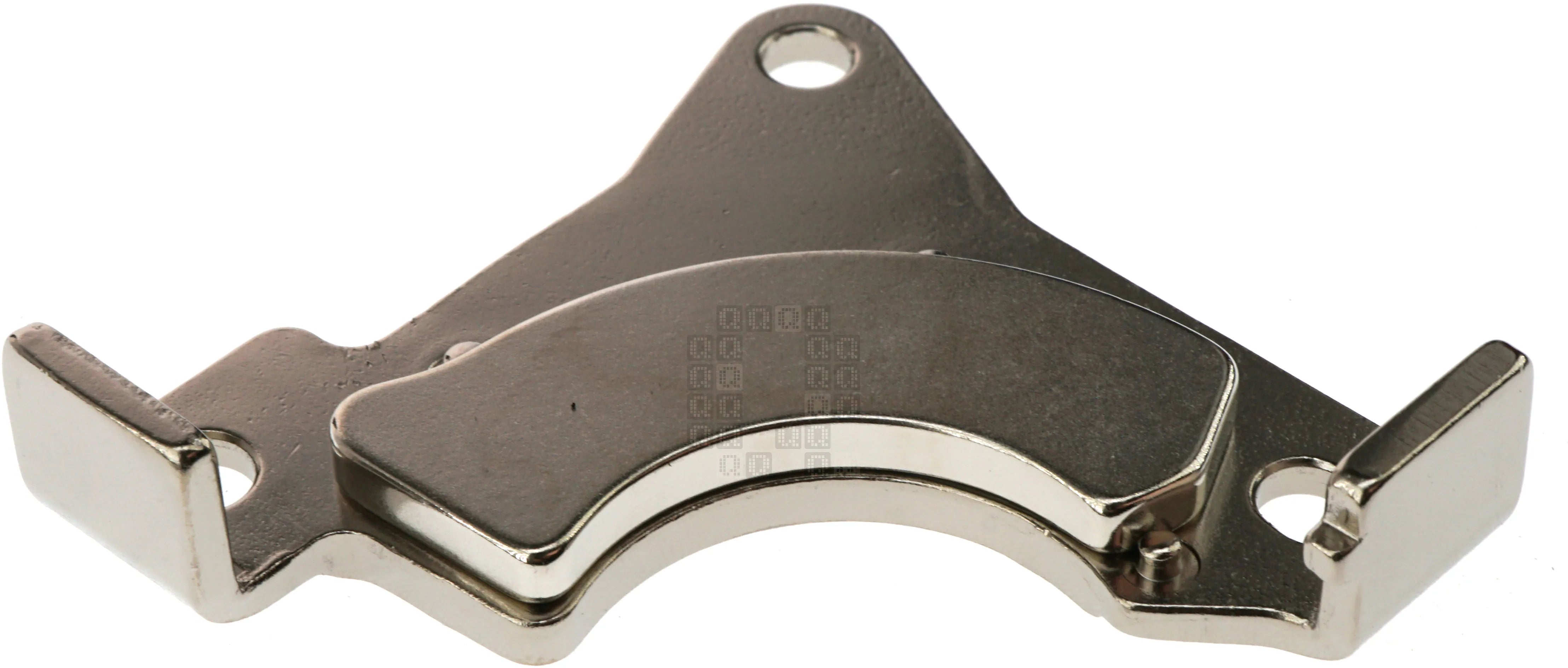
Just for fun, I removed the magnet assembly for the voice coil.
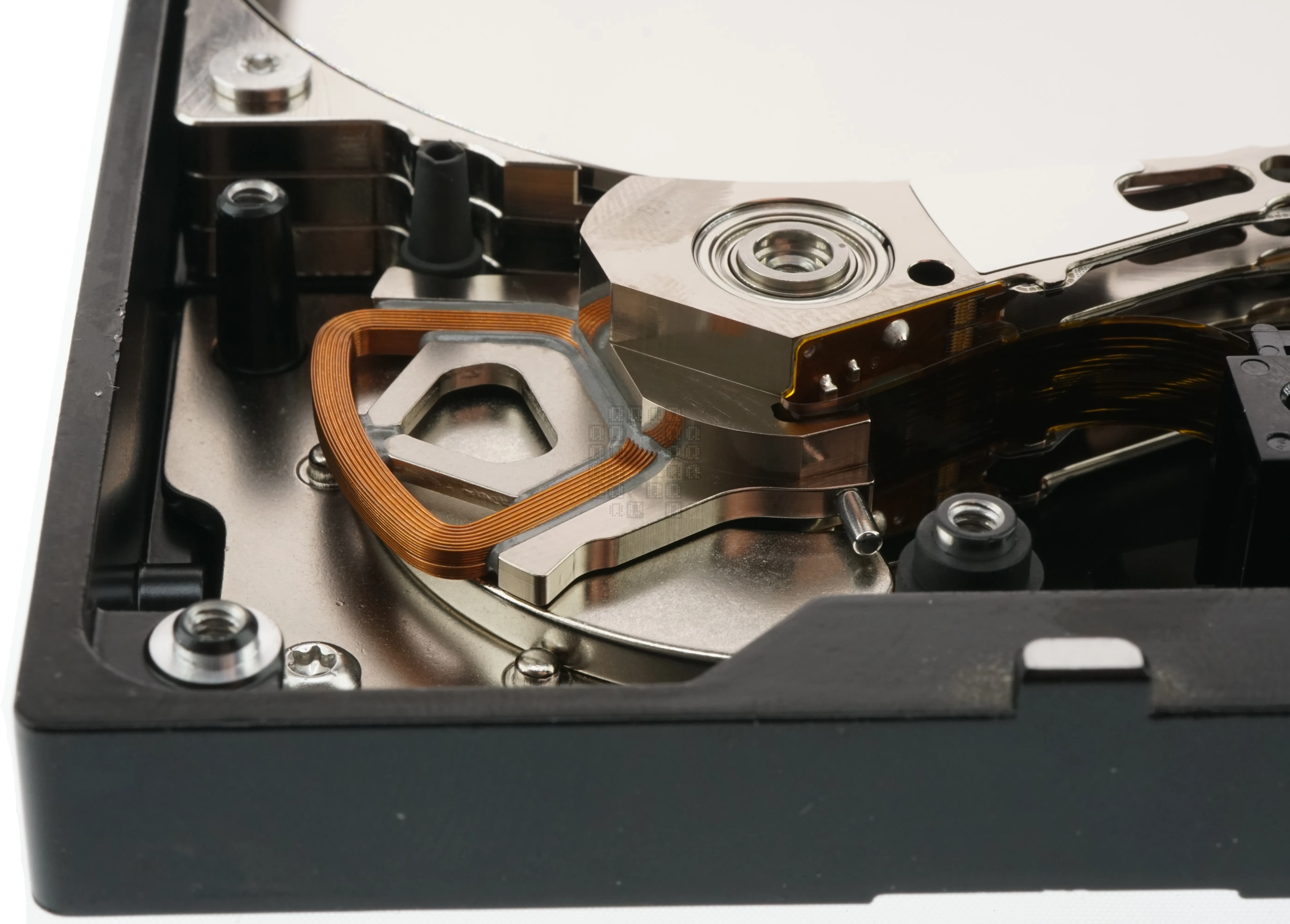
An image of the voice coil. I think this image turned out pretty well considering the reflectivity of the parts. This is the beauty of finely engineered and manufactured parts! Just think of the machine winding that perfectly aligned copper coil! Think of the machine that perfectly aligns and glues that same coil on the arm so that it is perfectly balanced in relation to the heads! (Think of the engineers who spent many hours designing it and then many more making sure it was made the way they designed it!)
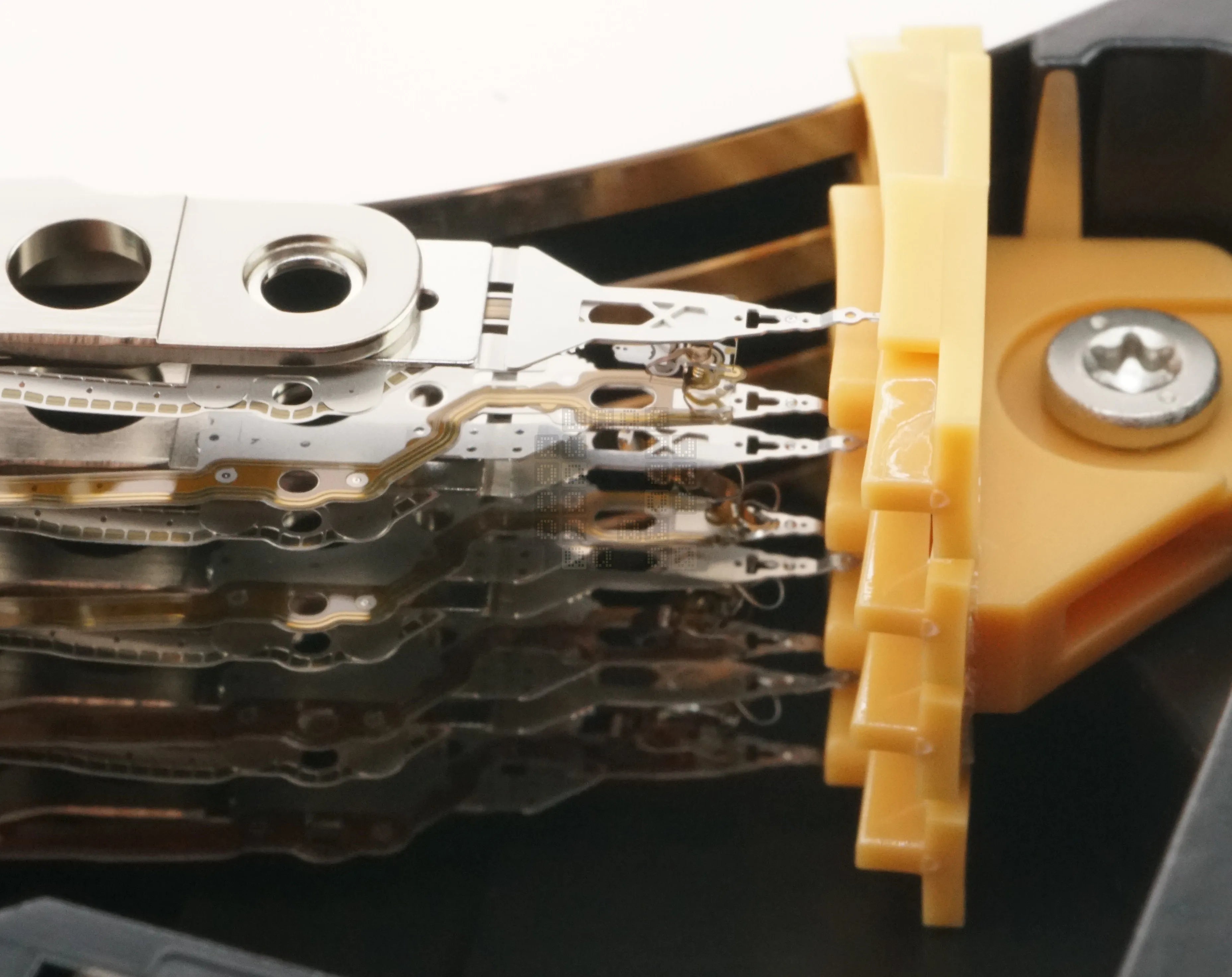
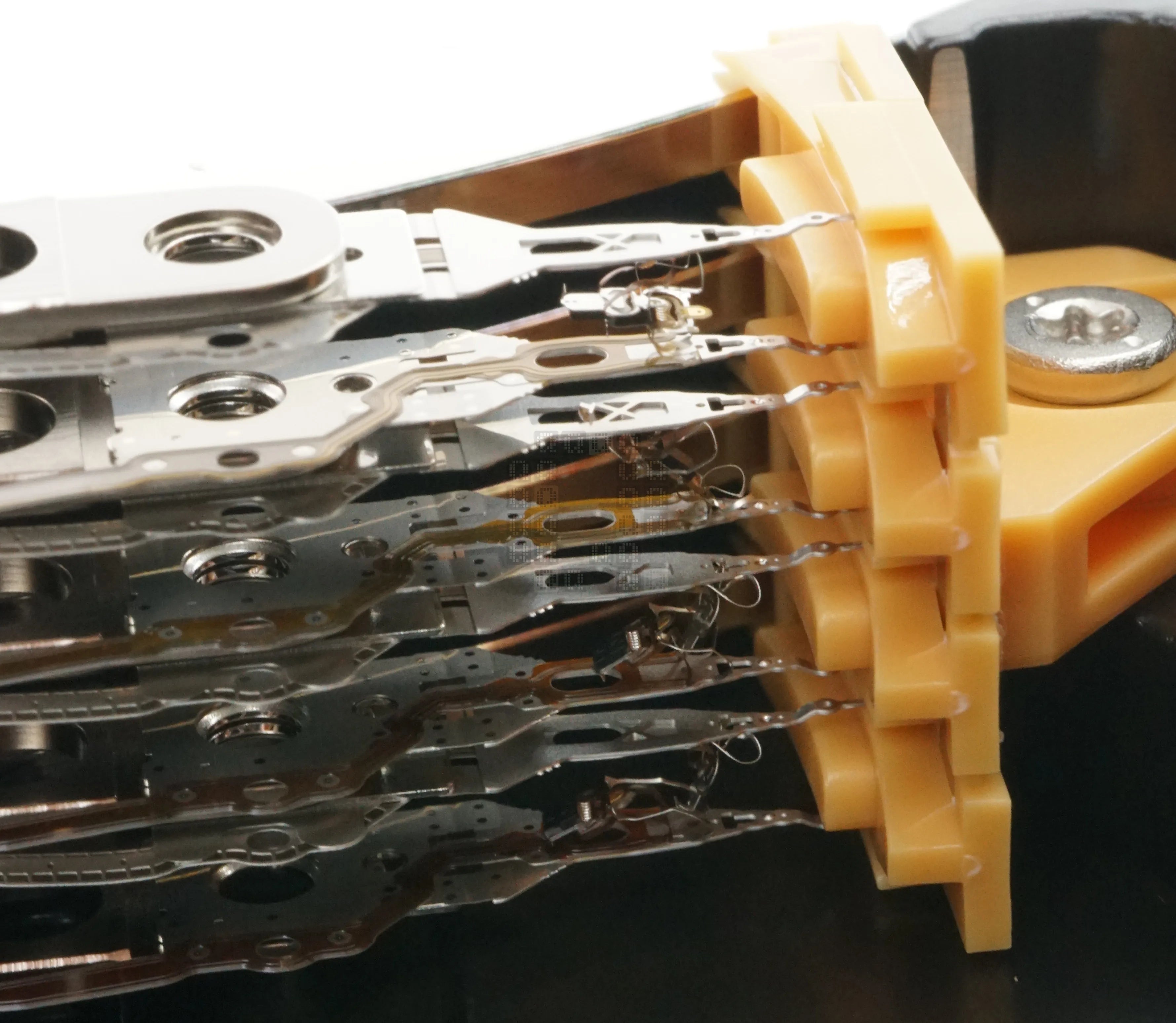
And here is where the problem is... Take a close look at the heads. These heads should not be hanging down like this. When the head assembly swings over it hits on the platters, preventing the drive from ever being able to fully complete the startup process.
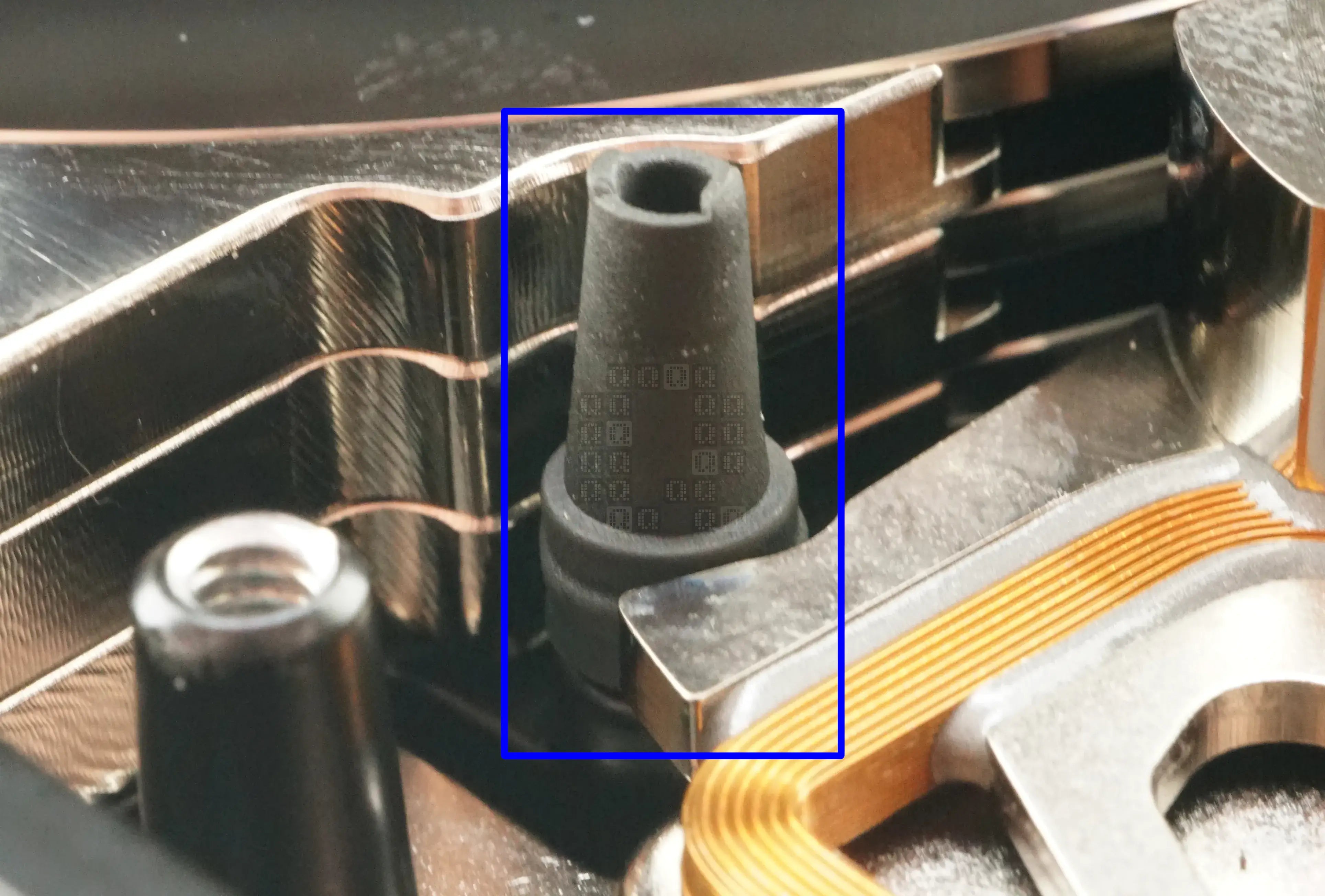
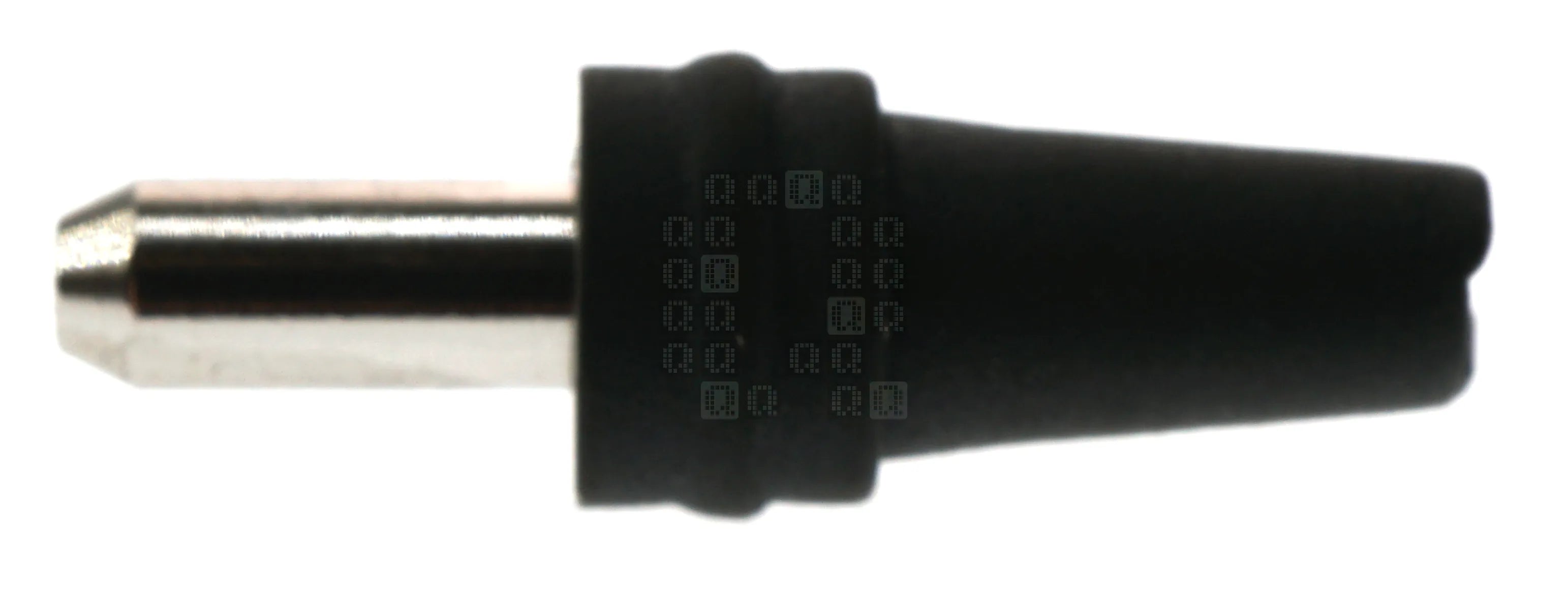
This pin (blue square) prevents the heads from rotating too far and dropping off the wrong end of the head loader assembly. Remove it before attempting to remove the heads.
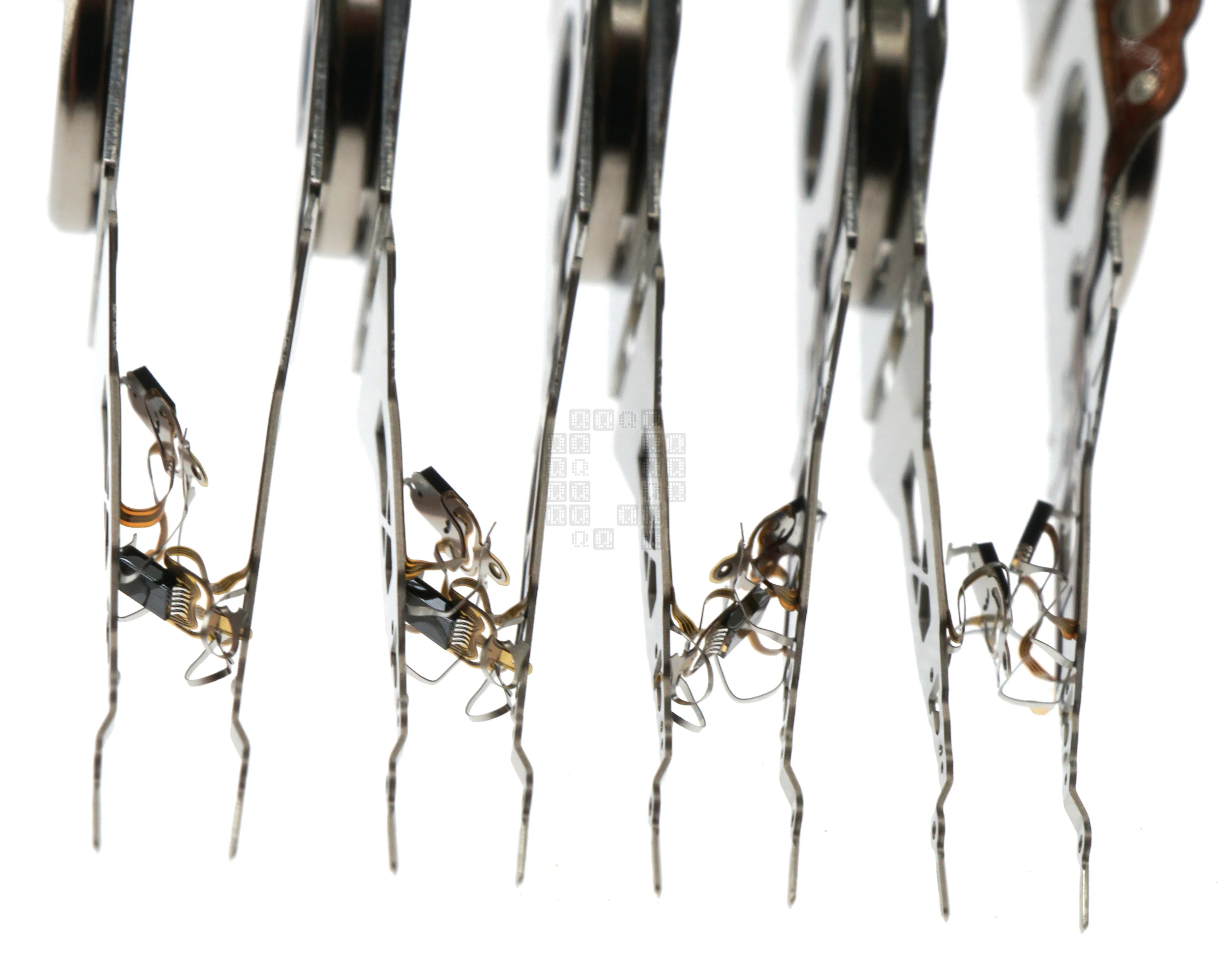
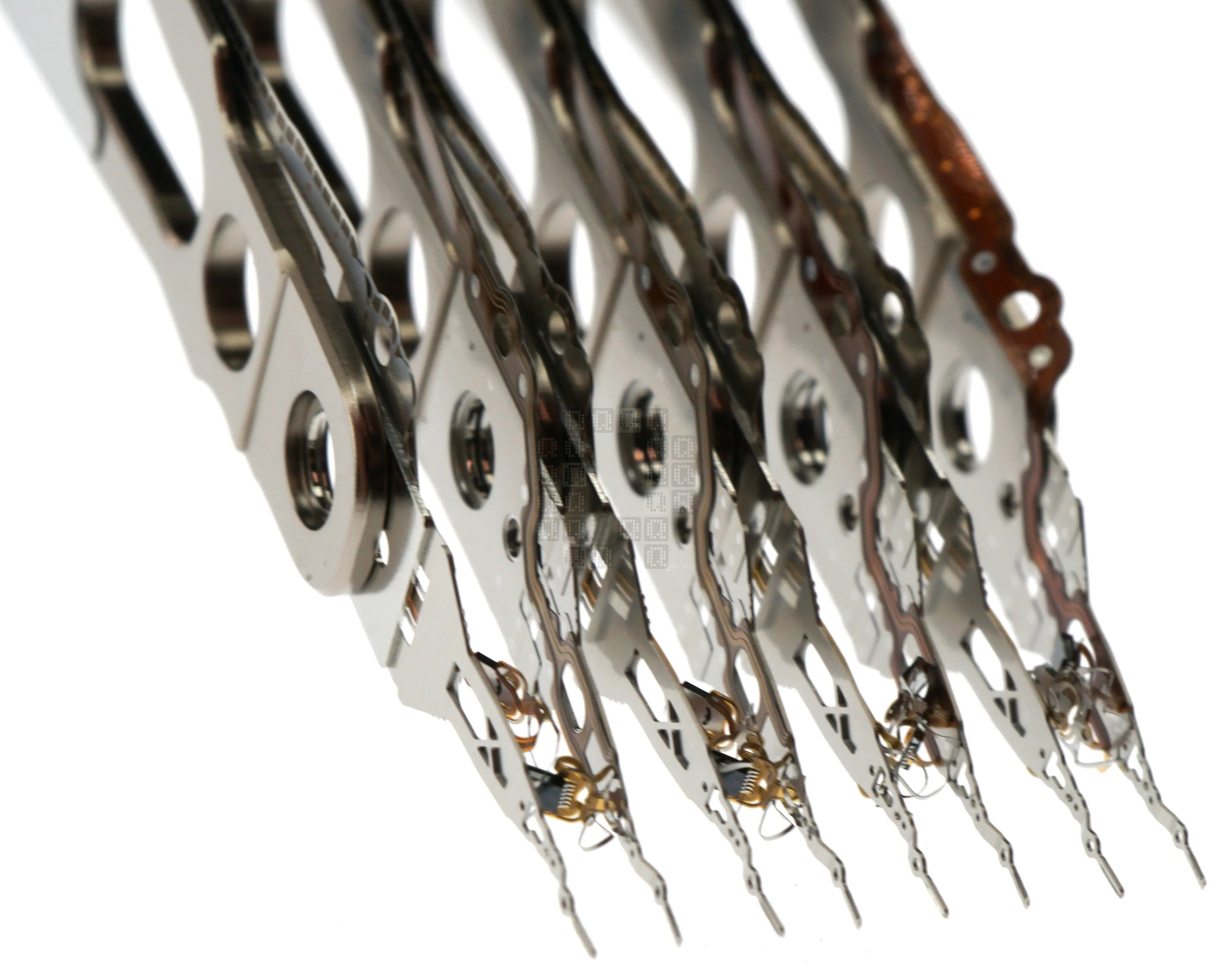
This is a slightly better view of the heads now that they have been removed. They are definitely not in their proper place anymore!
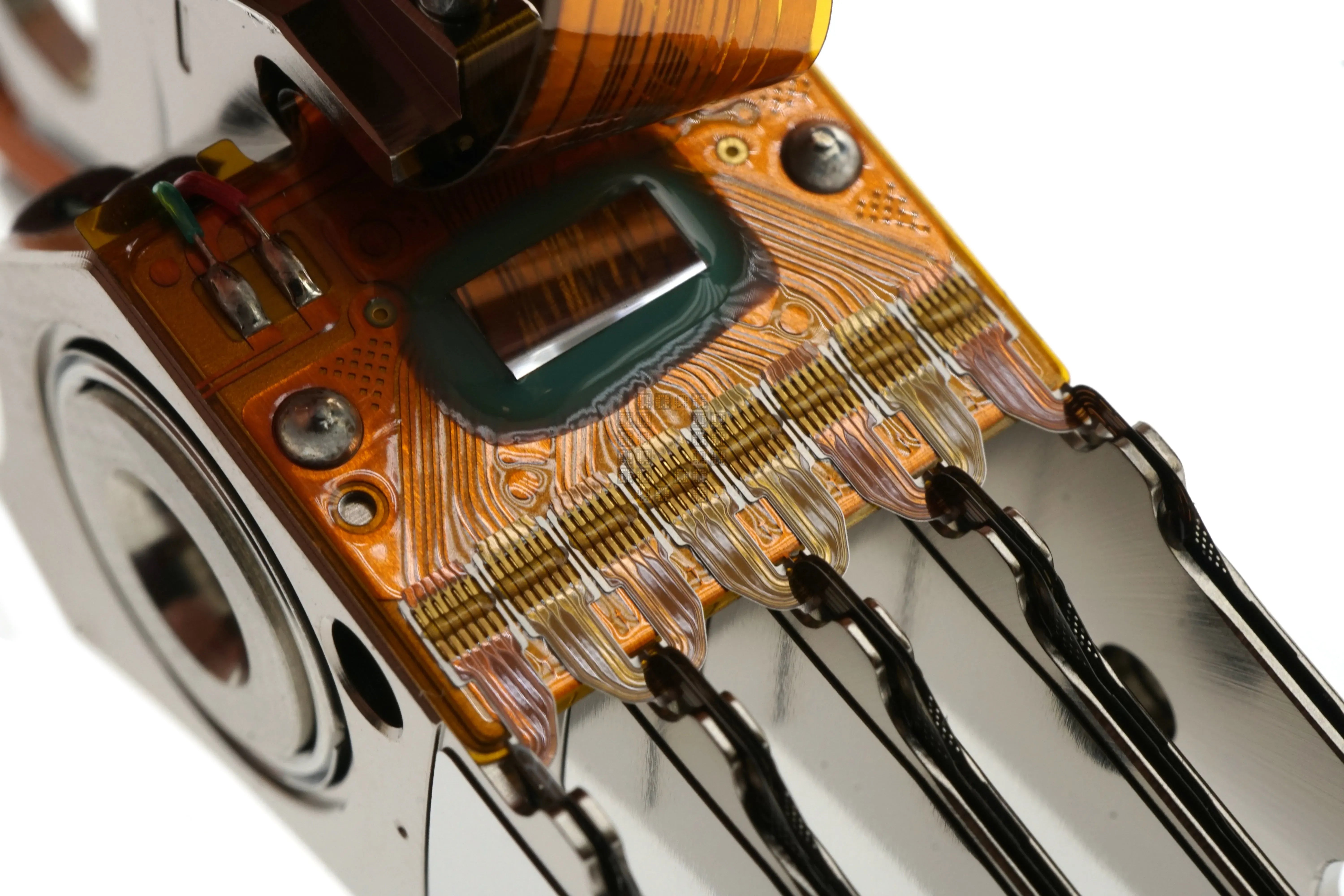
Since the heads have been removed, I have to at least attempt to get an image of the head connections and the IC that amplifies the signals / drives the heads.

A quick inspection of the head unloader shows two small cracks (green squares), but no other visible damage. As far as I'm aware, this shouldn't cause a head crash. But now I'm really curious what would have caused all eight heads to crash like this...
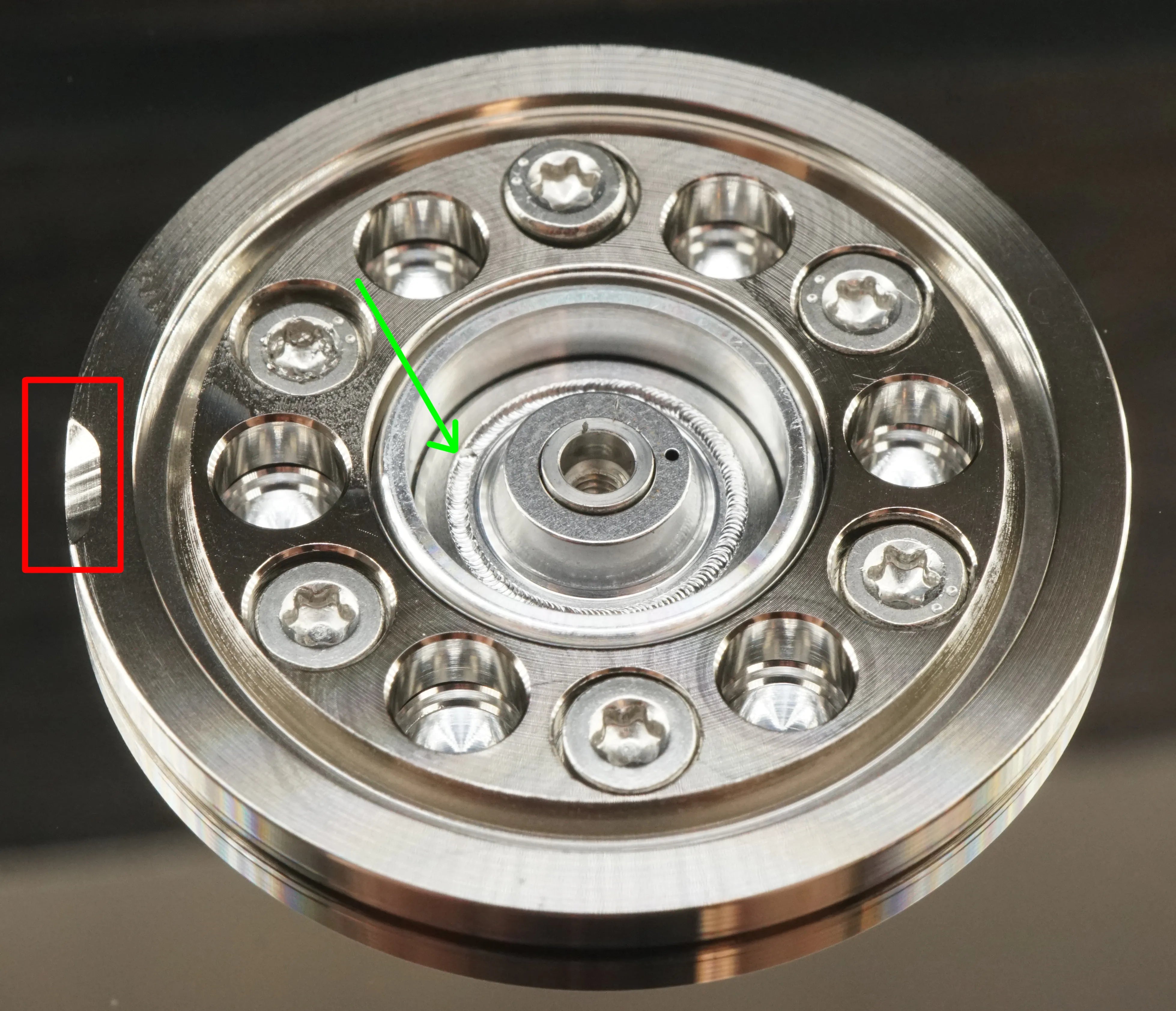
Take a quick moment to admire the small things. This spindle has been balanced by grinding away a small section of the uppermost ring (red box). Take a look at this tiny weld and think about how tiny it is (green arrow)! Do we assume that is a laser weld?

There is always that one screw...
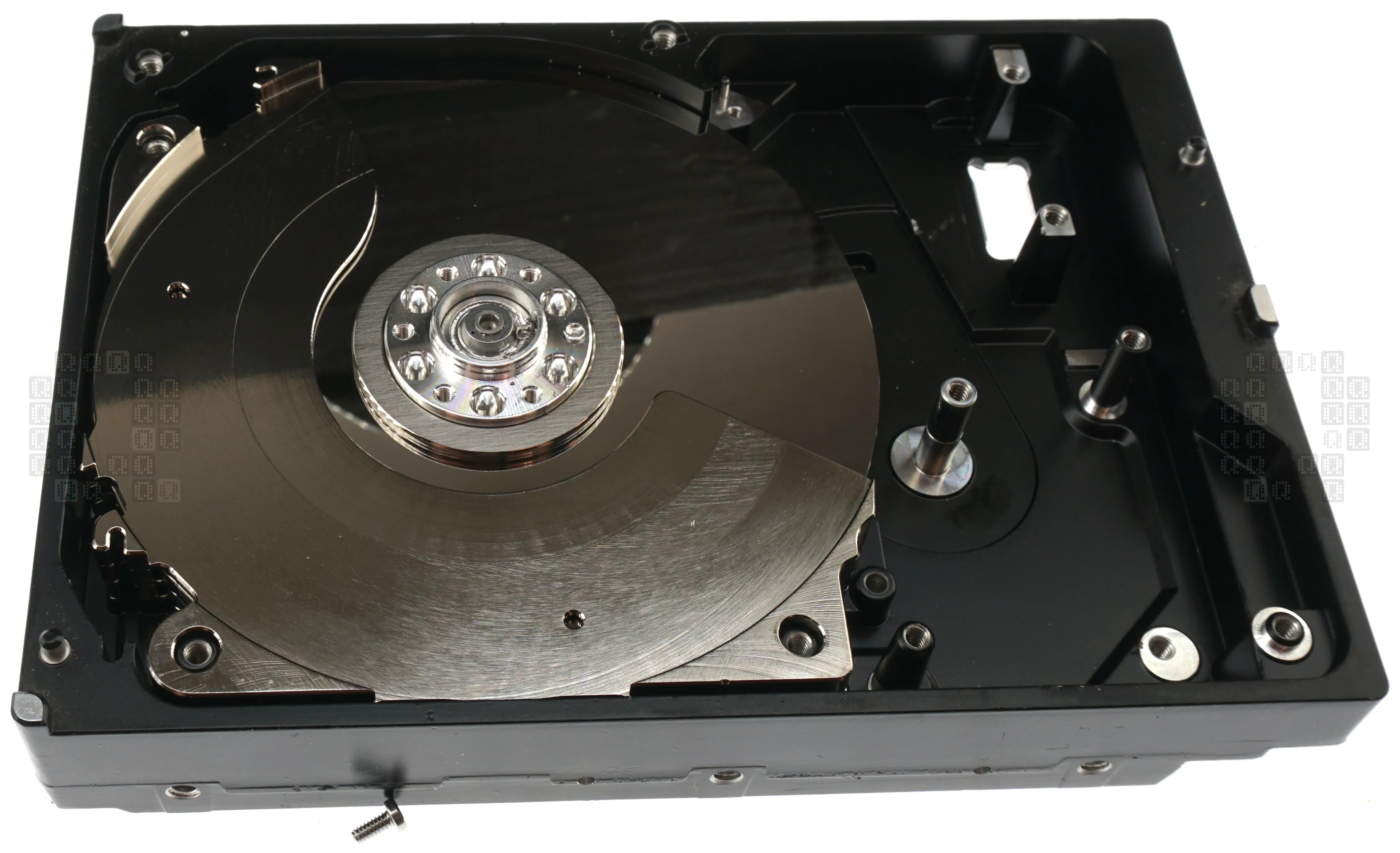
One broken drill bit later & the screw has been removed. (I really should have used a LH drill bit!) Top platter removed because it no longer looks pretty due to the scratches and dents inflicted on it from the drill bit. I haven't torn apart many 'modern' hard drives and haven't seen these plates between the platters before (image below) I'm going to assume they help restrict airflow and keep the heads floating above the platters properly. Tolerances are fairly tight between platter and plates.

Looks like there are 3 separate zones for the heads. Innermost has no air restriction. Then there is a center, lesser, restriction and finally an outer, fully restricted section. With the platter generating less airflow in the center and more at the outer edges, this makes sense to a degree; Wouldn't the airflow at the height changes be rather chaotic and unpredictable though? (Head half in increased airflow; half out? Why not over-engineer a completely tapered plate instead of various steps?)

This image is what is left of the hard drive frame after pretty much everything has been removed. I'm not sure on the purpose of the gel-like white rectangle on the left. I was unable to separate the spindle motor from the frame. At this point, I'll probably stop with this disassembly and recycle the pieces. I'm sure my kids will love rolling the platters! (they're not glass). Corrections, suggestions and links to more info are all appreciated!
Tom's Hardware has an old review on this hard drive.